Want to learn more about surgical guide planning?
Discover how digital workflows can improve your implant success rates.
Table of Contents
Choosing a surgical guide lab is one of those decisions that seems simple until a poorly designed guide doesn't seat properly at surgery. The difference between a good lab and a great one isn't just price — it's the clinical knowledge behind the design and the workflow that supports you when things need to change mid-case.
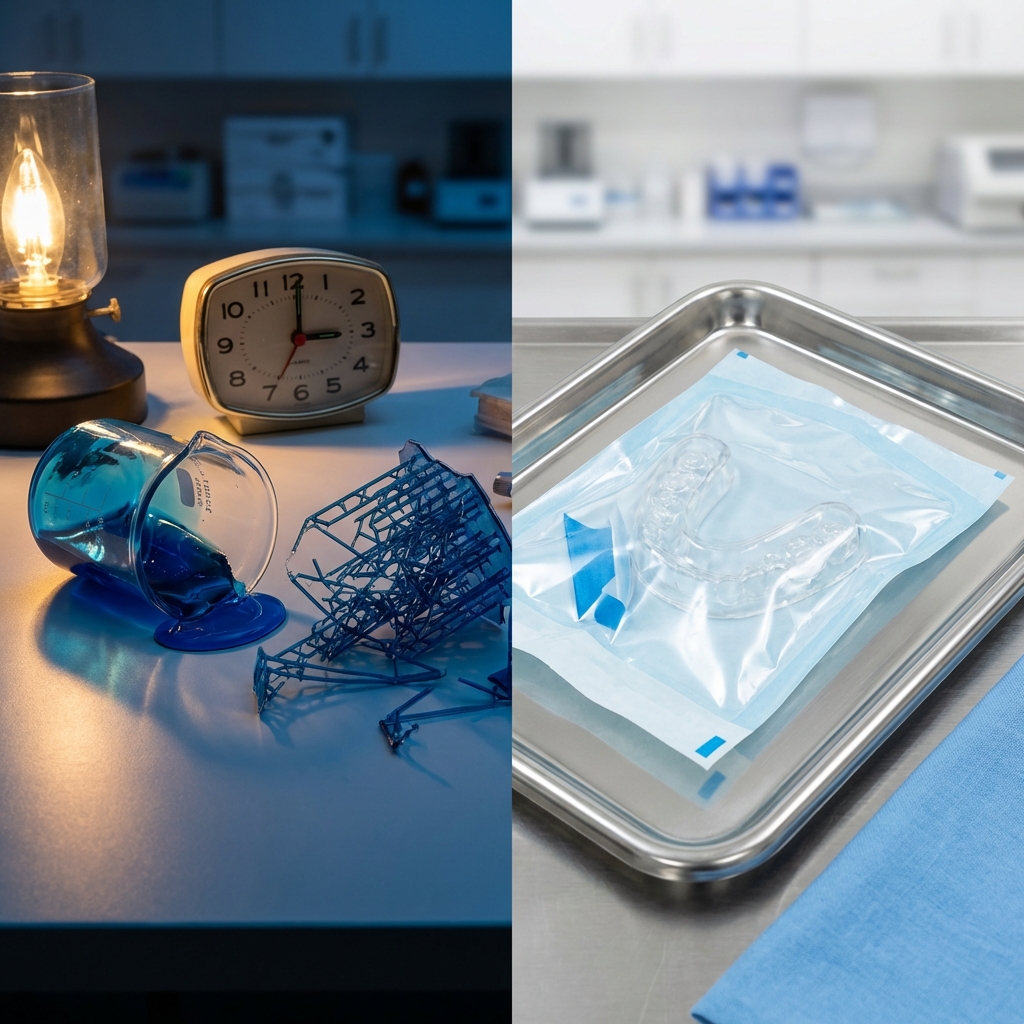
A 3D-printed template that fits over the patient's teeth or tissue and directs drill placement during implant surgery. It transfers the digital treatment plan into precise physical drill positions.
Question 1: Who Actually Designs the Guide?
This is the most important question and the one most dentists forget to ask. Some labs use technicians who click "auto-plan" in the software. Others employ designers with deep clinical knowledge who understand prosthetic-driven planning, bone density considerations, and the specific nuances of different implant systems.
An implant planning approach that starts from the ideal final tooth position and works backward to determine optimal implant placement. It ensures the implant supports the best possible prosthetic outcome.
The structural quality of jawbone classified on the Misch scale (D1-D4). Higher density provides better implant stability; lower density may require modified surgical protocols.
Ask directly: Does the designer understand the clinical implications of implant positioning, or are they just creating a 3D-printed shell around software-generated coordinates?
At SurgicalGuide.Pro, every guide is designed by specialists who handle 20-30 cases per week. That volume creates pattern recognition you don't get from a technician who designs two guides per month.
Question 2: What's the Revision Policy?
This separates the serious labs from the rest. If your revision policy answer is "one free revision, then $50 per change" — that's a red flag.
| Revision Policy | What It Tells You |
|---|---|
| Unlimited free revisions | Confident in their work, client-focused |
| 1-2 free, then paid | Transactional relationship |
| No revisions | Run away |
Good labs welcome revisions because they understand that implant planning is a collaborative process between designer and clinician. At $80 per case with unlimited revisions included, there's no financial pressure on you to accept a plan you're not fully comfortable with.
Placing more than 3 implants per month? See how our collaborative workflow handles revisions.
Question 3: What Implant Systems Do They Support?
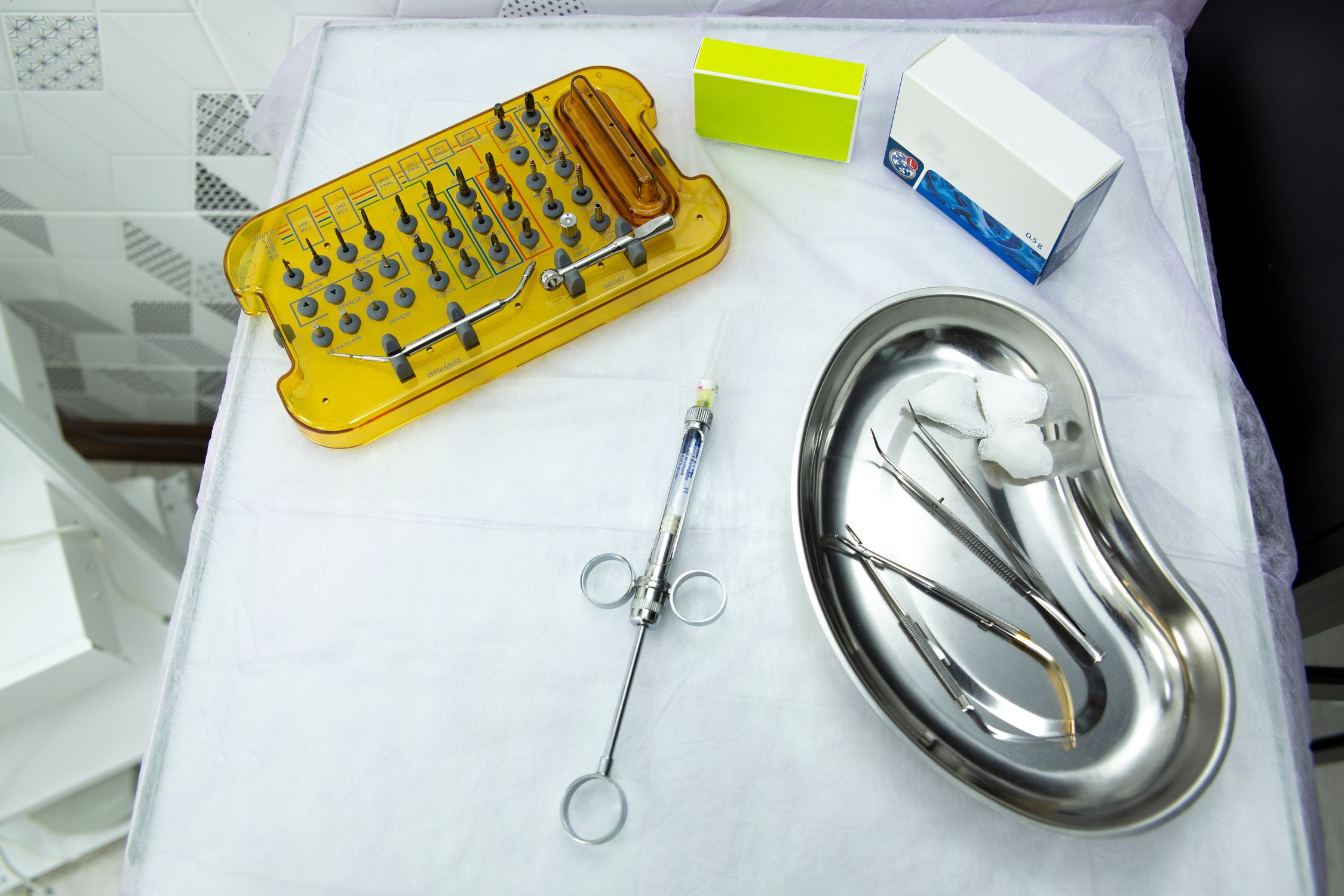
A lab that only supports 3-4 implant brands is limiting your clinical options. Ask for their implant library list. A quality lab should support:
- Major brands: Straumann, Nobel Biocare, Osstem, MegaGen, Zimmer Biomet, Dentsply Sirona
- Regional brands: BioHorizons, Bicon, BlueSkyBio, Hiossen, Neodent
- Sleeve systems: Specific drill sleeve dimensions for each brand and protocol
If they can't accommodate your preferred system, you'll end up compromising on implant selection to fit the guide — which is backwards.
Question 4: How Do They Handle Communication?
The best guide in the world is useless if you can't efficiently communicate about the case. Evaluate:
- 3D review tool: Can you rotate, measure, and verify the plan on your phone/tablet?
- Response time: How fast do they respond to revision requests?
- Case notes: Can you add clinical notes (nerve proximity, sinus considerations)?
- Documentation: Do they provide a drilling protocol and sleeve specification sheet?
Questions 5-7: Turnaround, Pricing, and Scanner Compatibility
| Question | Good Answer | Red Flag |
|---|---|---|
| Standard turnaround? | 2-3 business days | More than 7 days |
| Express option? | 24h for +$20-30 | No express available |
| Price per case? | $80-150 (design only) | $300+ without printing |
| Scanner compatibility? | All major IOS brands | "Only works with iTero" |
| File formats accepted? | DICOM + STL (any source) | Proprietary formats only |
---
The right lab feels like an extension of your practice.
Upload a case and experience the difference. Review the full design before you commit.
Ready to streamline your surgical guide workflow?
Join 200+ dental professionals who trust SurgicalGuide.Pro for precision planning.